
Call us now
08045475281

 Send Inquiry
Chemical Dosing Pumps
Price 6500 INR/ Piece
MOQ : 10 Pieces
Chemical Dosing Pumps Specification
- Caliber
- Standard
- Theory
- Reciprocating Pump
- Control System
- Manual / Automatic
- Max Suction
- Max 3 meters
- Noise Level
- < 60 dB
- Discharge Pressure
- Up to 12 bar
- Features
- Corrosion Resistant, Leak Proof, Low Maintenance
- Voltage
- 220V / 380V
- Mounting Type
- Foot Mounted
- Frequency
- 50 Hz / 60 Hz
- Inlet/Outlet
- 1/2 BSP (Standard)
- Working Temperature
- 0C to 60C
- Flow Rate
- 0.5 to 500 LPH
- Head Size
- Up to 120 meters
- Speed
- 1440 RPM
- Material
- PP, SS 316, PVC, Teflon (As per requirement)
- Structure
- Diaphragm/Hydraulic/Plunger Type
- Power
- 0.181.1 kW
- Standard
- ISO 9001:2015
- Fuel Type
- Electric
- Pressure
- Max 12 bar
- Usage
- Chemical Dosing
- Application
- Water Treatment, Chemical Industry, Pharmaceuticals
- Suction Type
- Positive Suction
- Seals Type
- PTFE / Viton Gland Packing
- Priming
- Self-priming
- Pump Type
- Dosing Pump
- Capacity
- 0.47500 LPH
- Color
- Blue / Custom
- Duty Cycle
- Continuous
- Metering Accuracy
- 2%
- Stroke Adjustment
- 0100% (Manual/Motorized)
- Connection Type
- Threaded / Flanged
- Prime Mover
- AC Motor
- Protection Class
- IP 55
- Ambient Temperature
- Up to 45C
- Mounting Position
- Horizontal
- Check Valve Material
- SS/PVC/PP
- Drive Type
- Electric Motor
- Viscosity Range
- up to 1000 cP
Chemical Dosing Pumps Trade Information
- Minimum Order Quantity
- 10 Pieces
- Supply Ability
- 100 Pieces Per Week
- Delivery Time
- 1 Week
About Chemical Dosing Pumps
Chemical Dosing Pumps
We at A One Industries are applauded for making available energy-efficient and cost-effective Chemical Dosing Pumps. These pumps are designed as per industrial standards to inject harsh chemicals or similar substances in steam, gas or water. These pumps appear small but have precise flow rate. Our offered different designs, capacities and dimensions of pumps find large use in sewer manholes, pump stations, etc. They are also used in places where odour containment is largely needed. Chemical Dosing Pumps are demanded in food processing, water treatment and other industries.
Versatile Chemical Dosing Performance
Engineered for both industrial and water treatment applications, these dosing pumps excel in delivering accurate and reliable chemical dosing. They can be customized in material and configuration to suit various chemicals and process requirements. Their advanced metering system ensures maximum efficiency in continuous operations, while their durability ensures long service life.
Flexible Design and Installation
With a variety of connection options (threaded or flanged) and mounting types (foot-mounted horizontal setup), these pumps are built for adaptability and ease of integration. They are suitable for use in demanding environments, thanks to corrosion-resistant materials and a protection class of IP 55. The flexible voltage (220V/380V) and frequency (50Hz/60Hz) options simplify deployment.
Enhanced Safety and Low Maintenance
Leak-proof construction, high-quality check valve materials (SS, PVC, PP), and robust PTFE/Viton gland packing minimize maintenance and operational risks. The self-priming feature and quiet operation (<60 dB) contribute to safer, more streamlined usage in sensitive or high-traffic areas. Compliance with ISO 9001:2015 guarantees quality and safety standards.
FAQs of Chemical Dosing Pumps:
Q: How do chemical dosing pumps with manual or motorized stroke adjustment maintain dosing accuracy?
A: These pumps allow stroke adjustments from 0100% to regulate chemical delivery rates precisely. The use of reciprocating diaphragm, hydraulic, or plunger mechanisms and metering accuracy of 2% assures consistent and reliable dosing, making them suitable for critical applications where precision is vital.Q: What is the recommended process for installing these dosing pumps in an industrial setting?
A: For best performance, install the pump in a horizontal, foot-mounted position. Use the provided threaded or flanged connections, and ensure the inlet/outlet ports match the standard 1/2 BSP specification. Verify voltage (220V/380V) and frequency compatibility and maintain suction lift within the 3-meter maximum. Always follow the manufacturers guidelines for priming and securing the unit.Q: When should maintenance be performed on these chemical dosing pumps?
A: Routine inspection is advised to check for seal integrity and drive function, especially in continuous duty cycles. Maintenance intervals depend on usage, but thanks to robust materials and leak-proof design, these pumps require low-frequency servicing. Replace PTFE or Viton gland packing when wear is evident for optimal leak prevention.Q: Where can these dosing pumps be used most effectively?
A: Chemical dosing pumps like these are ideal for water treatment plants, chemical processing industries, pharmaceutical manufacturing, and similar settings where controlled metering of liquid chemicals is necessary. Their corrosion-resistant build and broad compatibility with aggressive fluids make them well-suited for both indoor and covered outdoor installations.Q: What types of chemicals are compatible with these dosing pumps?
A: Because they are constructed from materials like PP, SS 316, PVC, and Teflon, these pumps can handle a wide range of chemicals, including corrosive acids, alkalis, and water-based solutions with viscosities up to 1000 cP. Check valve material options (SS, PVC, PP) and seal choices (PTFE/Viton) enable compatibility with process requirements.Q: How does the self-priming and positive suction design benefit pump operation?
A: Self-priming capability allows the pump to evacuate air from the suction line and begin pumping without manual intervention, simplifying startup and reducing downtime. Positive suction ensures reliable fluid intake, even when the source is below pump level, improving efficiency and ensuring a steady chemical feed.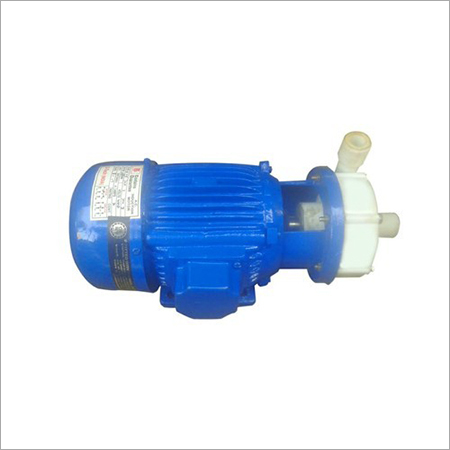
Tell us about your requirement

Price:
Quantity
Select Unit
- 50
- 100
- 200
- 250
- 500
- 1000+
Additional detail
Mobile number
Email

More Products in Chemical Processing Pump Category
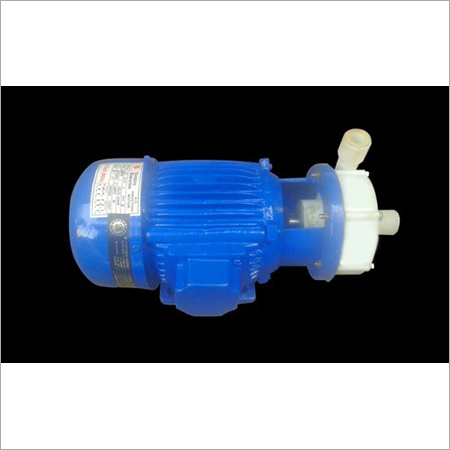
Chemical Process Pump
Price 6500 INR / Piece
Minimum Order Quantity : 10 Pieces
Capacity : up to 600 m/h
Speed : 1450/2900 rpm
Fuel Tank Capacity : N/A (Electric Drive)
Pressure : Other, up to 10 bar

A ONE INDUSTRIES
India's Number One Manufacturing Company
India's Number One Manufacturing Company
8/78, Street No -8, Anand Parbat Industrial Area,New Delhi - 110005, India
Phone :08045475281
 Send Inquiry
- Floor Cleaning Machine
- Railway Track Cutting Machine
- Floor Polishing Machine
- Concrete Machinery
- Groove Cutting Machine
- Power Trowel
- Constuction Machinery
- Carpet Cleaning Machine
- Concrete Cutting Machine
- Core Drilling
- Floor Scrubbing Machine
- Polishing Machine
- Floor Grinding Machine
- Power Floater
- RCC Groove Cutting Machine
- Chemical Processing Pump
- Sanitizer Spray Machine
- Vaccum Cleaner
- Mining Equipment
- Concrete cutting blade
- Railway Track Drilling Machine
- Scrubber Drier
 Send Inquiry
 Send SMS
A ONE INDUSTRIES
All Rights Reserved.(Terms of Use)
Developed and Managed by Infocom Network Private Limited.
Developed and Managed by Infocom Network Private Limited.

